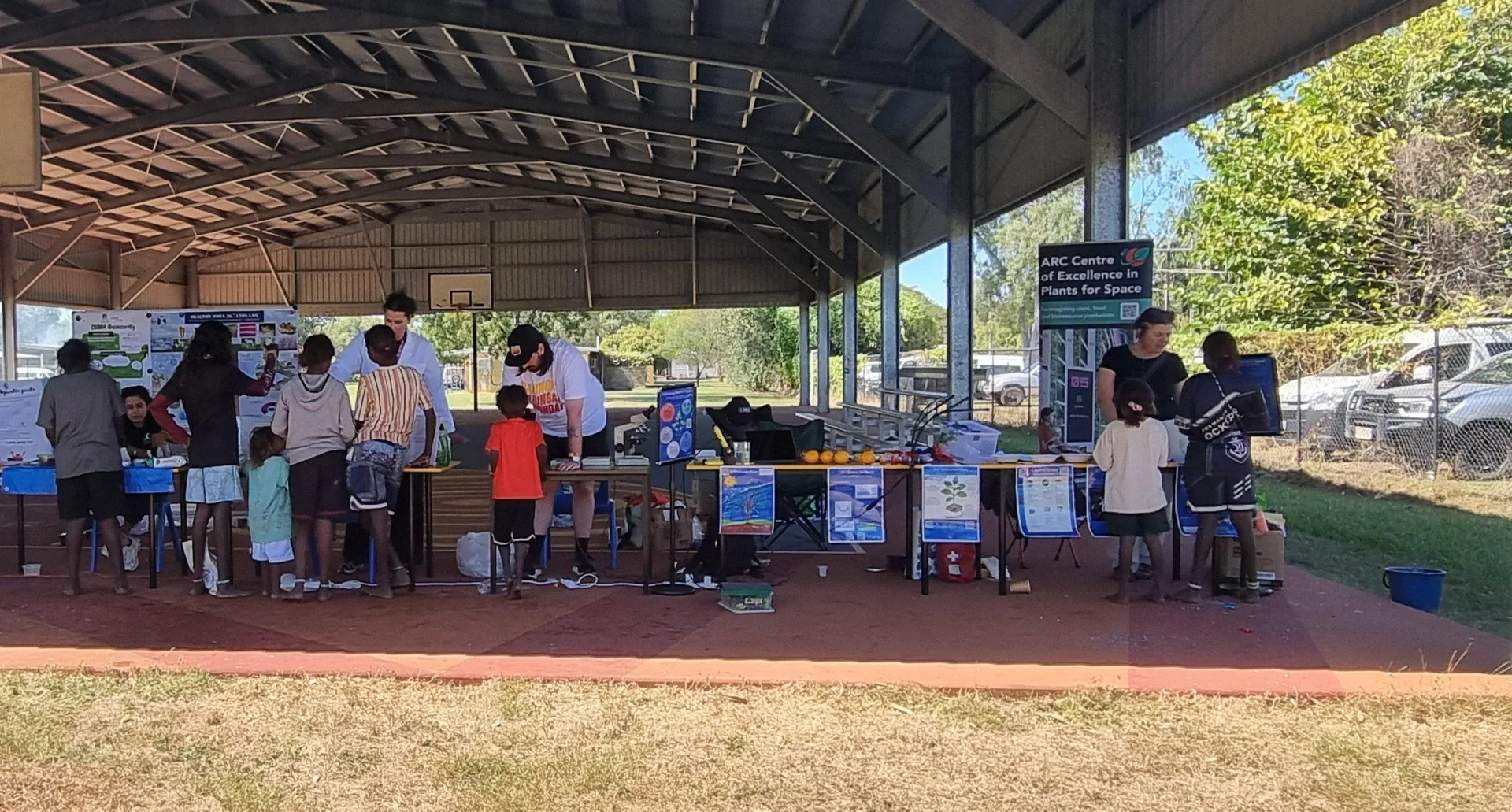
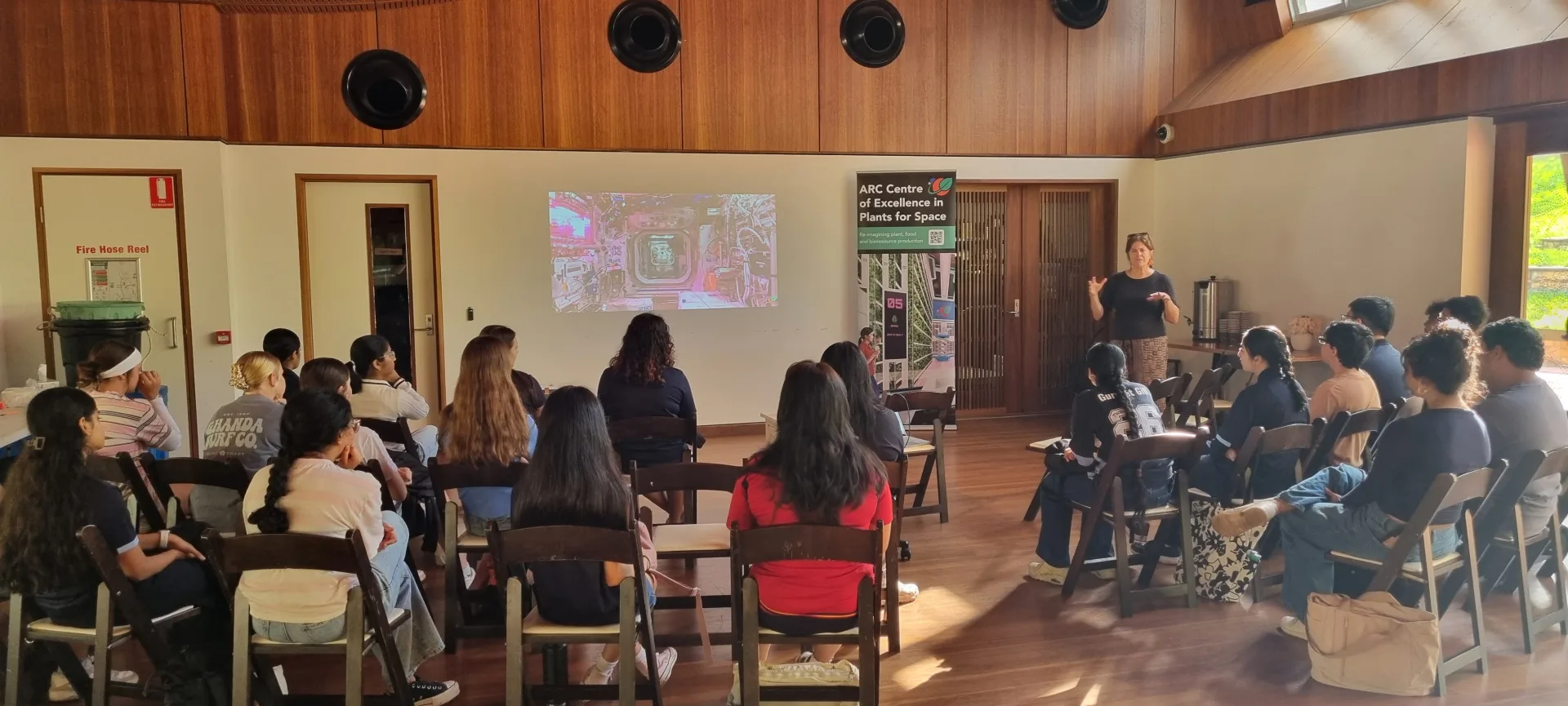
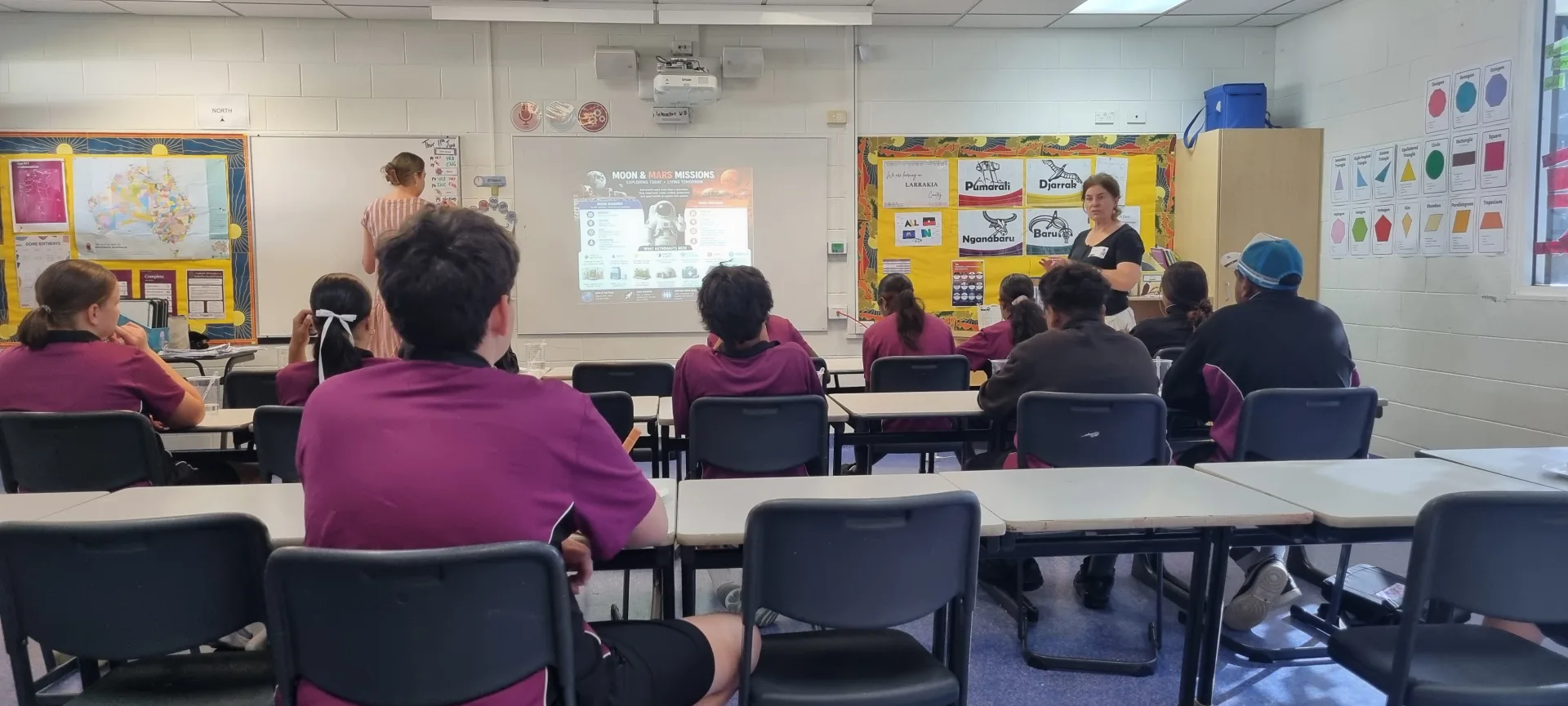
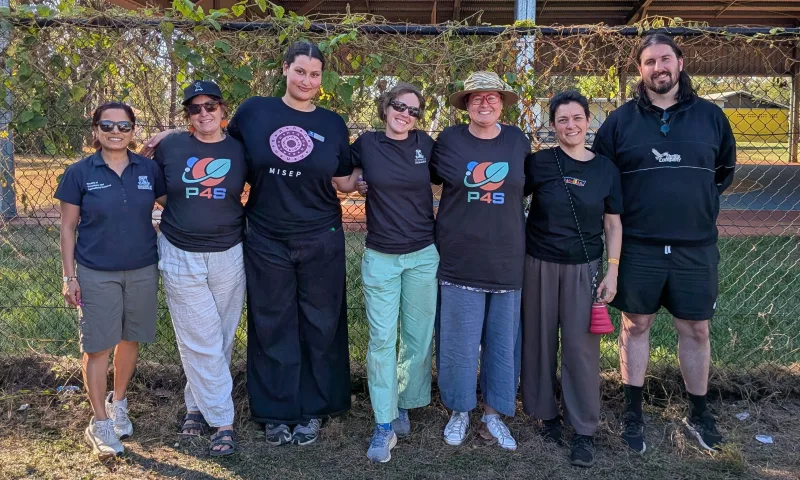
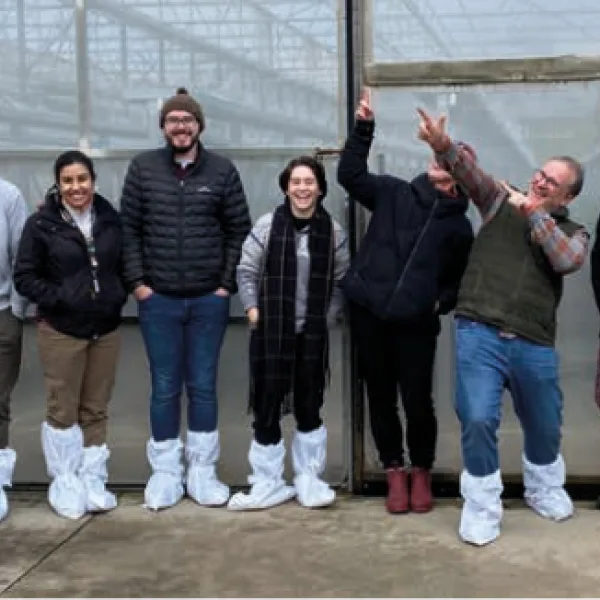
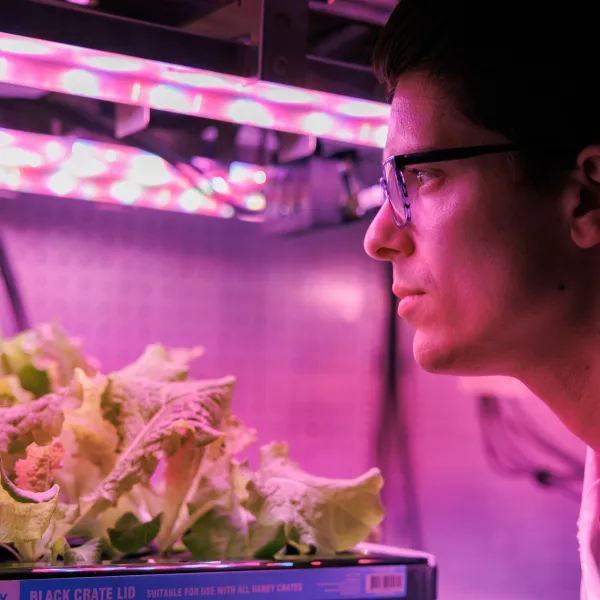
Last month, Plants for Space members teamed up with Victorian-based research centres to bring a series of engaging STEM experiences to Northern Territory.
The all-star crew consisted of scientists and educators from:
- P4S's University of Melbourne node (School of BioSciences)
- Centre of Excellence for Biosecurity Risk Analysis (CEBRA)
- ARC Centre of Excellence for the Mathematical Analysis of Cellular Systems (MACSYS)
Together our team ran a series of tailored learning experiences, teacher professional development and public STEM displays for over 500 students and members of the community.
One of the most rewarding aspects of the tour was the opportunity to work with students from regional, remote and First Nations communities. Their enthusiasm, thoughtful questions and creative ideas enriched every session, and highlighted the value of ensuring diverse perspectives and lifeworlds are included in conversations about STEM.
Learning in the Community
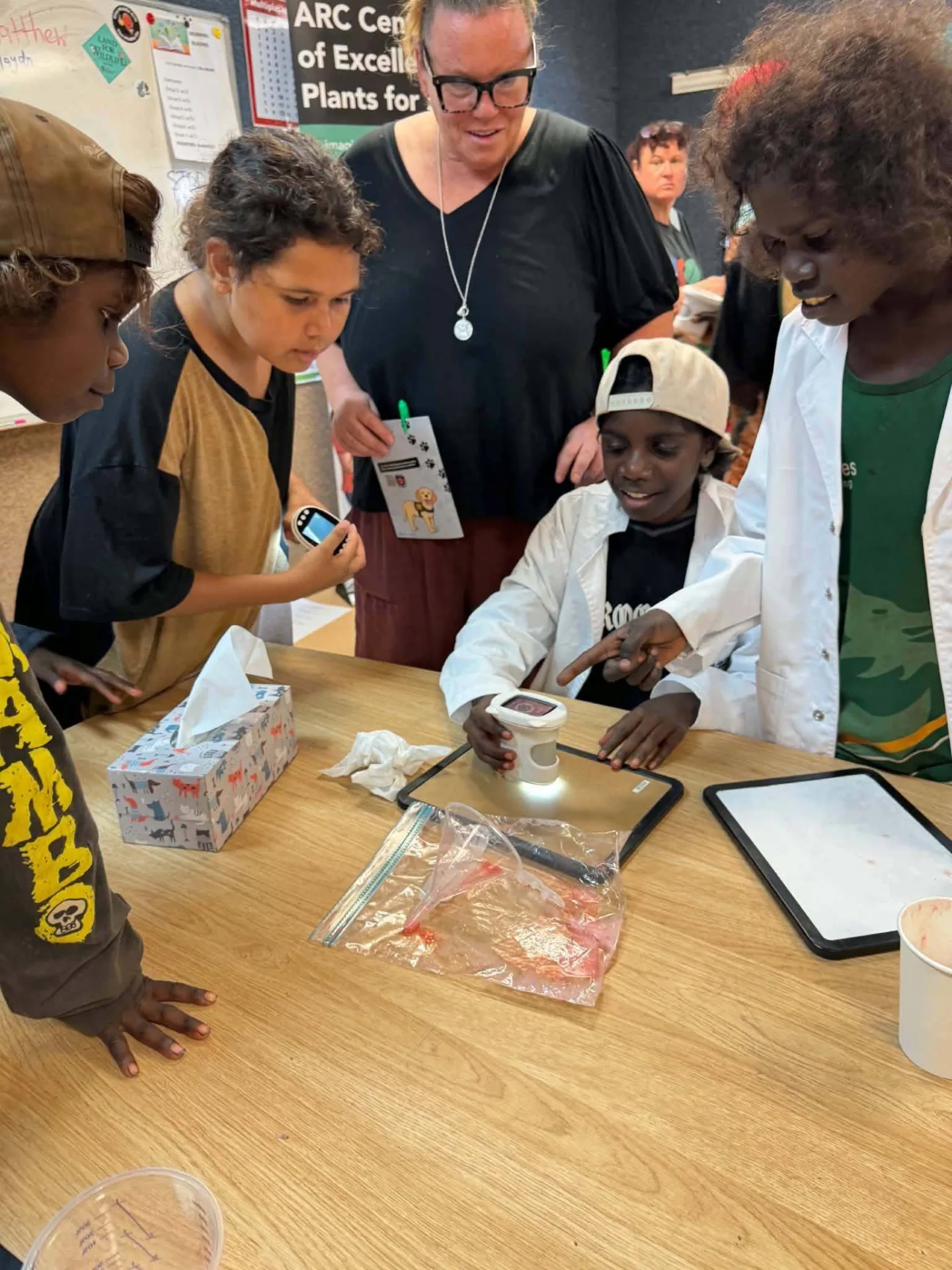
Through workshops and hands-on experiments, students discovered how science can address global challenges such as food security, sustainability and life support in space.
The education contingent ran a diverse range of activities across the week, including:
- Space Salads - Students analysed a series of foods for proteins, carbohydrates and fats, exploring how they might help address nutritional challenges during long-term space missions.
- Green Juice - By extracting, filtering and modifying plant materials, students explored how naturally occurring compounds influence the flavour, appearance and texture of foods.
- Plant Design Challenge - Students used design thinking to images new crops for a long-term space mission. These 'future plants' were designed to contribute to oxygen production, food supply and human wellbeing in space habitats, all while withstanding radiation and harsh resource constraints.
We extend our sincere thanks to the teachers, school leaders, Darwin Botanic Gardens staff, community members and students who welcomed us throughout the Northern Territory. Your support, curiosity and engagement helped make this outreach journey an outstanding success!
Recognising traditional knowledge
Long before Science, Technology, Maths and Engineering as we know them today, Indigenous knowledge systems were driving discovery and innovation on Country.
In 2023, Big Mob: STEM it up (UNSW) conducted the largest survey to date of Aboriginal and Torres Strait Islander adults’ views on STEM. When asked whether respondents saw a connection between STEM and Indigenous culture, respondents overwhelmingly responded with ‘Yes’ (83%). In contrast, just 1 in 3 agreed that Indigenous peoples are supported to pursue STEM.
The report highlighted that there is much to be done to increase Indigenous STEM participation, including robust teacher professional development and embedding STEM perspectives into early childhood education.
Read the full Big Mob: STEM it up report here.
NAIDOC Week 2026
The theme of 2026 NAIDOC Week is '50 Years of Deadly', celebrating five decades of advocacy, identity and pride. It also represents the future - the next 50 years to come.
Through our programs, we share our work with the public and demonstrate how advances in plant transformation can help communities Australia-wide. This NAIDOC Week, we celebrate the diversity and value of traditional knowledge systems and affirm our commitment to developing community-centred, best practice STEM education for all future thinkers and innovators.