Humans last walked on the surface of the Moon in 1972 as part of the Apollo 17 mission.
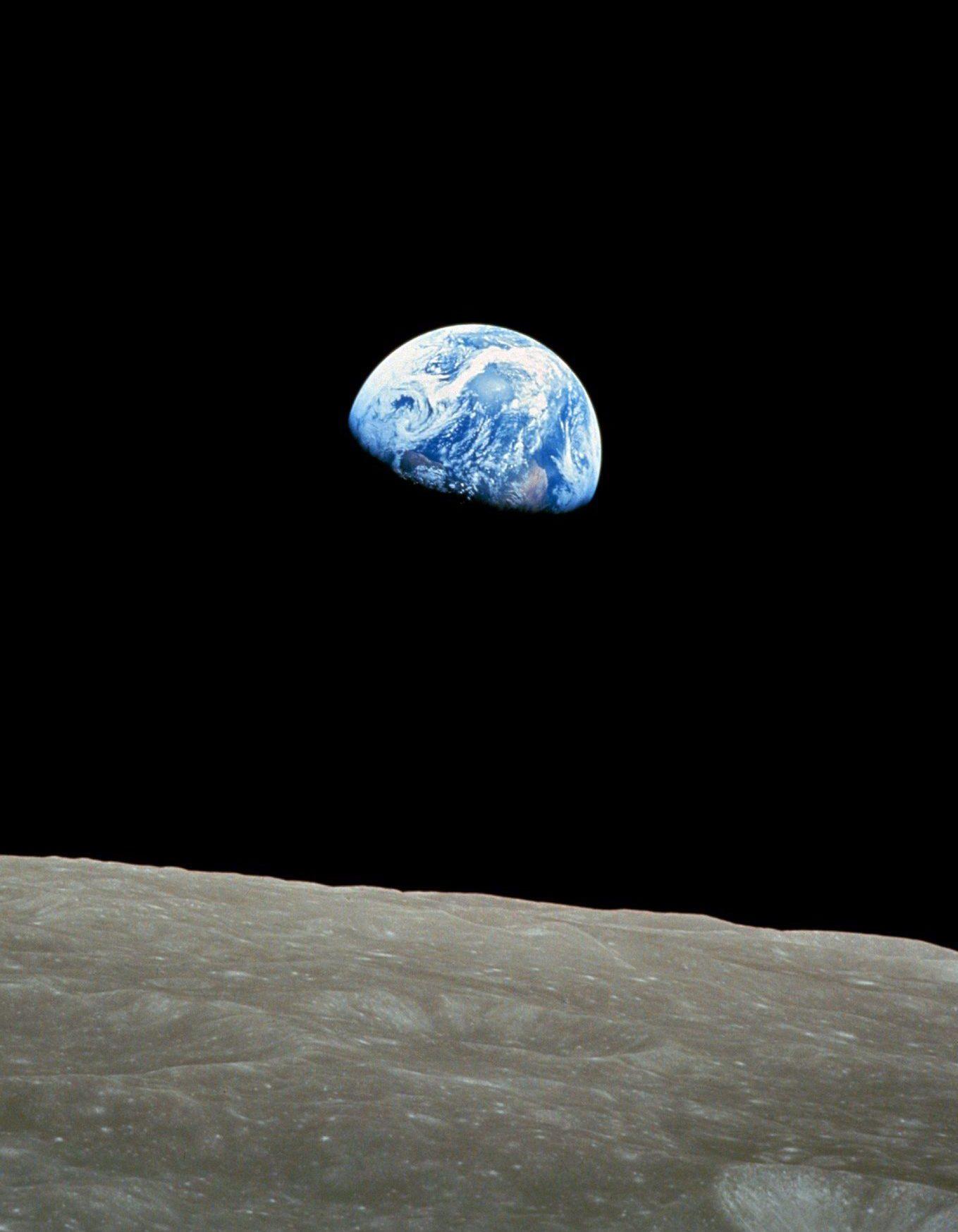
Whilst sustainability was not necessarily an intended focus of the Apollo missions, Apollo 8 astronaut William Anders took the famous Earthrise photo from inside the lunar module. Showing Earth against the backdrop of space, the image illustrates how fragile Earth is, and the responsibility that we have to protect it.
This in turn helped to launch the first 'Earth Day' and the modern environmental and sustainability movement that followed.
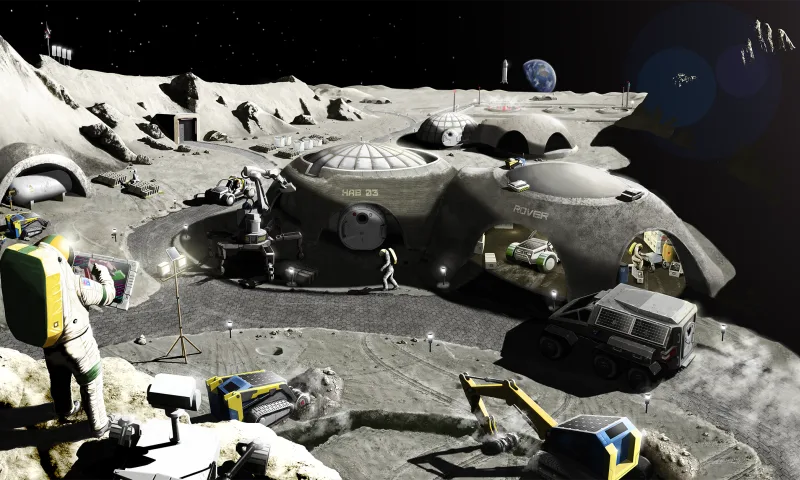
In the next few years, multiple efforts by different countries and private companies (including those of NASA’s Artemis and China’s International Lunar Research Station missions) will return us to the surface of the Moon for the first time in over 50 years.
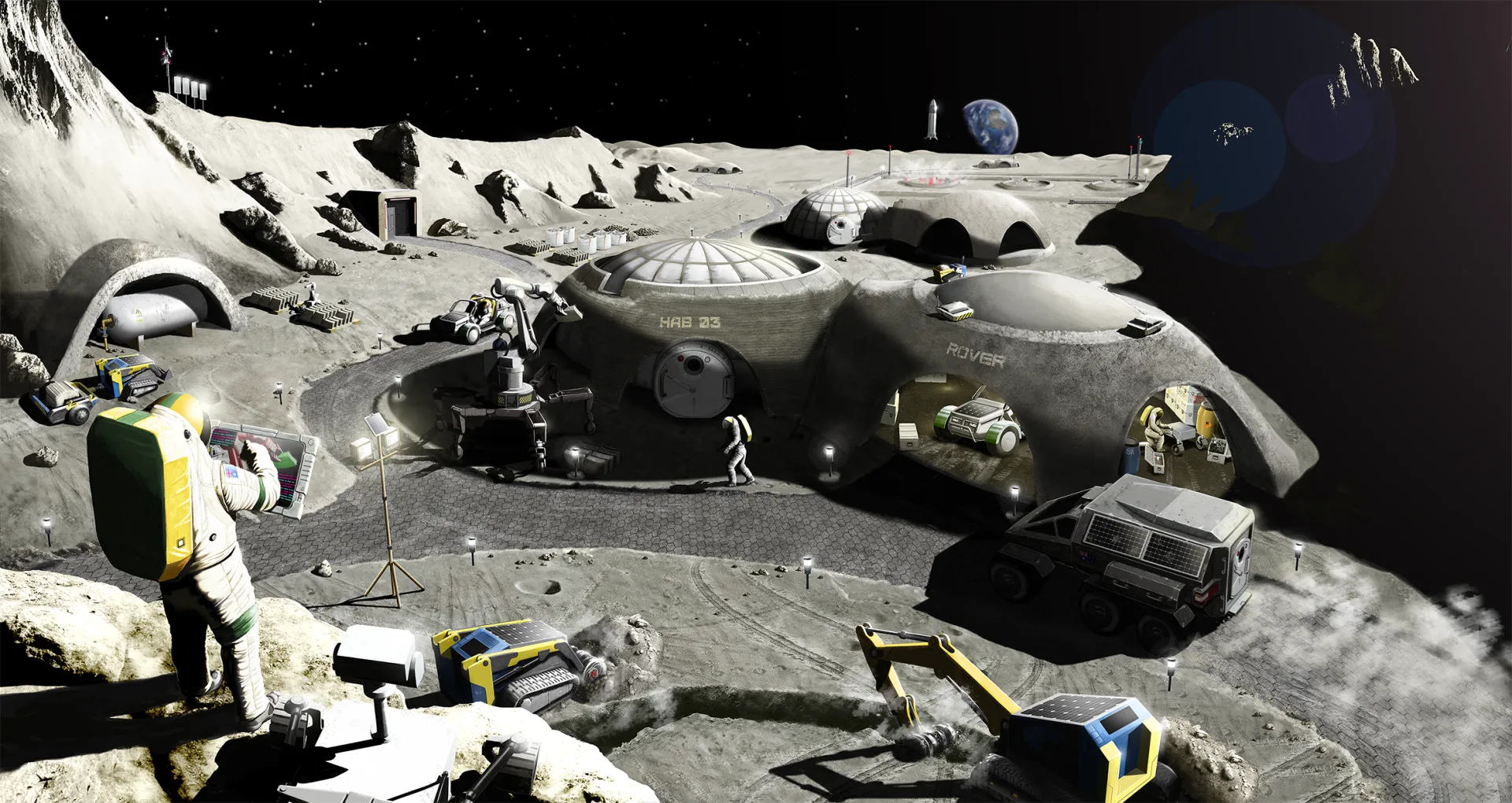
When we do finally return, this time it will be to establish a permanent human lunar presence, with early missions laying the foundations for those that follow.

Exploring Sustainably
To be able to build a long-term presence on the Moon, we will need to be sustainable – across all aspects of exploration and living.
Our return to the Moon comes at a time when humanity is faced with a sustainability crisis on Earth. There is an opportunity for our advances in space sustainability to help us address this challenge here on Earth, including the sustainability challenges to Earth's orbit that has become increasingly congested with more satellites and with space junk.
These considerations raise the question: what does it mean to explore space ‘sustainably’, and how can we actually put these ideas into practice?
Measuring Progress to Achieve Lunar Sustainability
If lunar sustainability is so interdisciplinary, then what metrics should we use to measure it?
Measuring sustainability is important because it provides an indicator as to whether we are on track, and identifies areas where improvements are needed.
Considering the different areas that are important to establishing a future long-term human lunar presence, there are different ways in which we could measure sustainability.
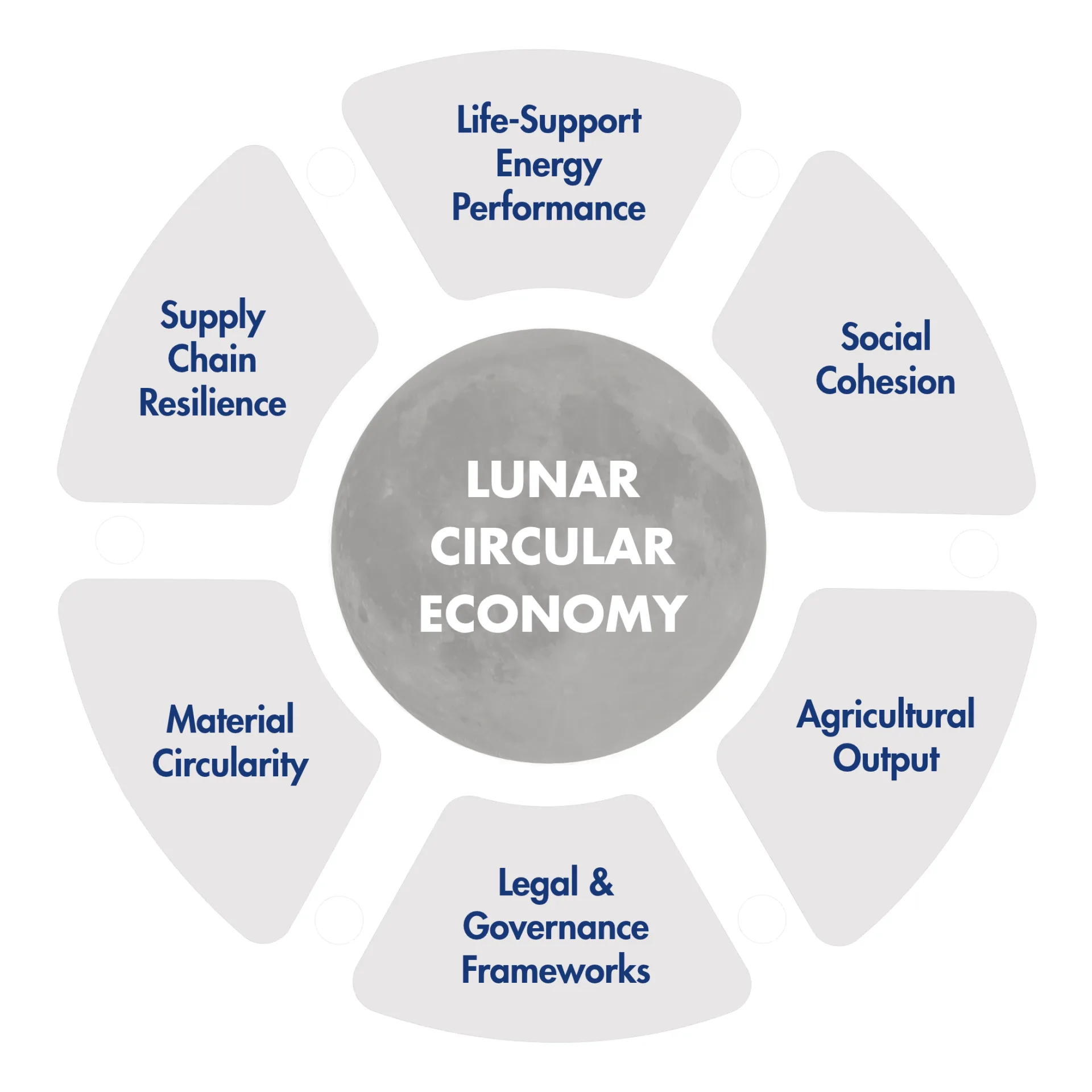
Indicators such as energy performance and material circularity are common measures for engineers. Additionally, to ensure human well-being, social cohesion could be measured through the level of inclusive decision-making. To ensure the longevity of future human lunar presence, agricultural output, supply chain resilience, and legal and governance frameworks can be measured too.
Together, these six metrics provide an opportunity to measure the sustainability of a future human lunar presence.
Exploring Space to Improve Life on Earth
Returning to the Moon and establishing a permanent human presence there provides us with the opportunity to re-think the higher sustainability principles that we have here on Earth.
Sustainability in space is not more ‘red-tape’; rather, it is an opportunity to improve mission success, reduce mission costs, and provide insights and a pathway to acting more sustainably here on Earth. Together with all of the other products that the Artemis missions are set to develop that will improve life on Earth, lunar sustainability can too be considered a product of the future Artemis missions.
Despite its scale and size, space is a finite resource – at least the way we’re currently using it. As we return to the Moon, there is a real need to ensure that we protect the space environment for the generations of explorers to come and bring these lessons back to improve life here on Earth.