An Historic Launch

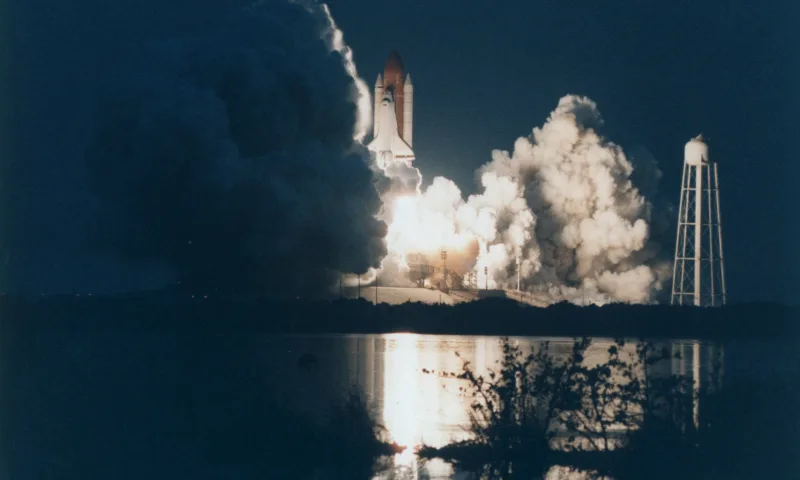
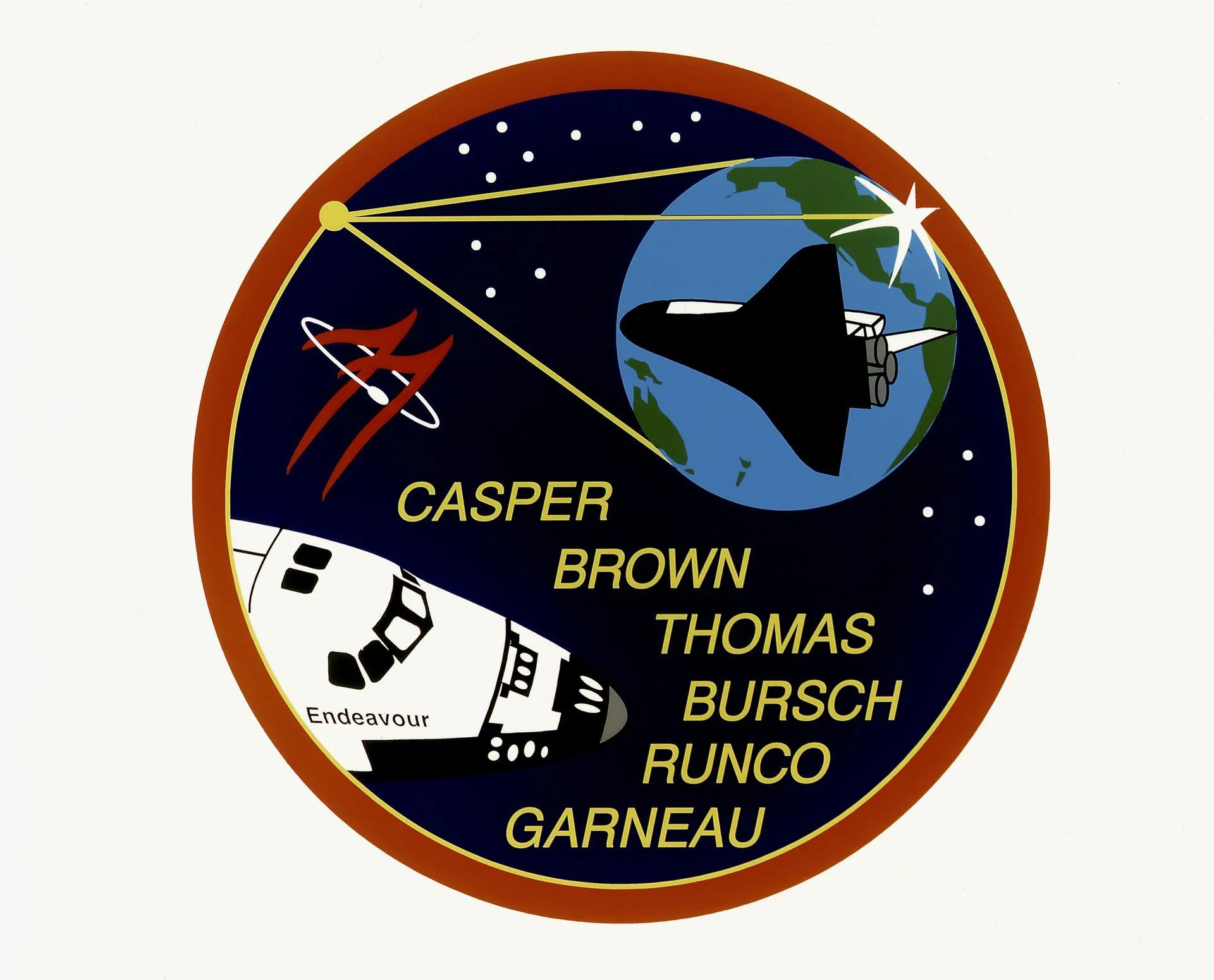
30 years ago today, Dr Andy Thomas became the first Australian to fly as a professional astronaut.

The launch of STS-77 on May 19th, 1996 marked the first of several career spaceflights for Dr Thomas - and a significant milestone for Australia's space history

Serving as Payload Commander, the Adelaide-born engineer deployed a number of experiments and technological demonstrations in Earth's orbit over the 10-day mission. 
 

Leveraging Spaceflight Expertise

At Plants for Space, we recognise the breadth of experience that human spaceflight brings to our research programme. Both crewed and uncrewed missions unlock opportunities for advanced microgravity experiments and allow us to expand our knowledge of plant and human physiology.

Our centre is extremely grateful to have Dr Shannon Walker, a highly experienced NASA astronaut, currently serving on our advisory committee. Her first-hand understanding of the global spaceflight ecosystem has been an immensely valuable addition to our team.

The Andy Thomas Space Foundation (founded in 2020) is an official partner of P4S. This collaboration helps deliver meaningful community outreach and space education for the Australian public, including the next generation of STEM professionals.

Plant Experiments on STS-77

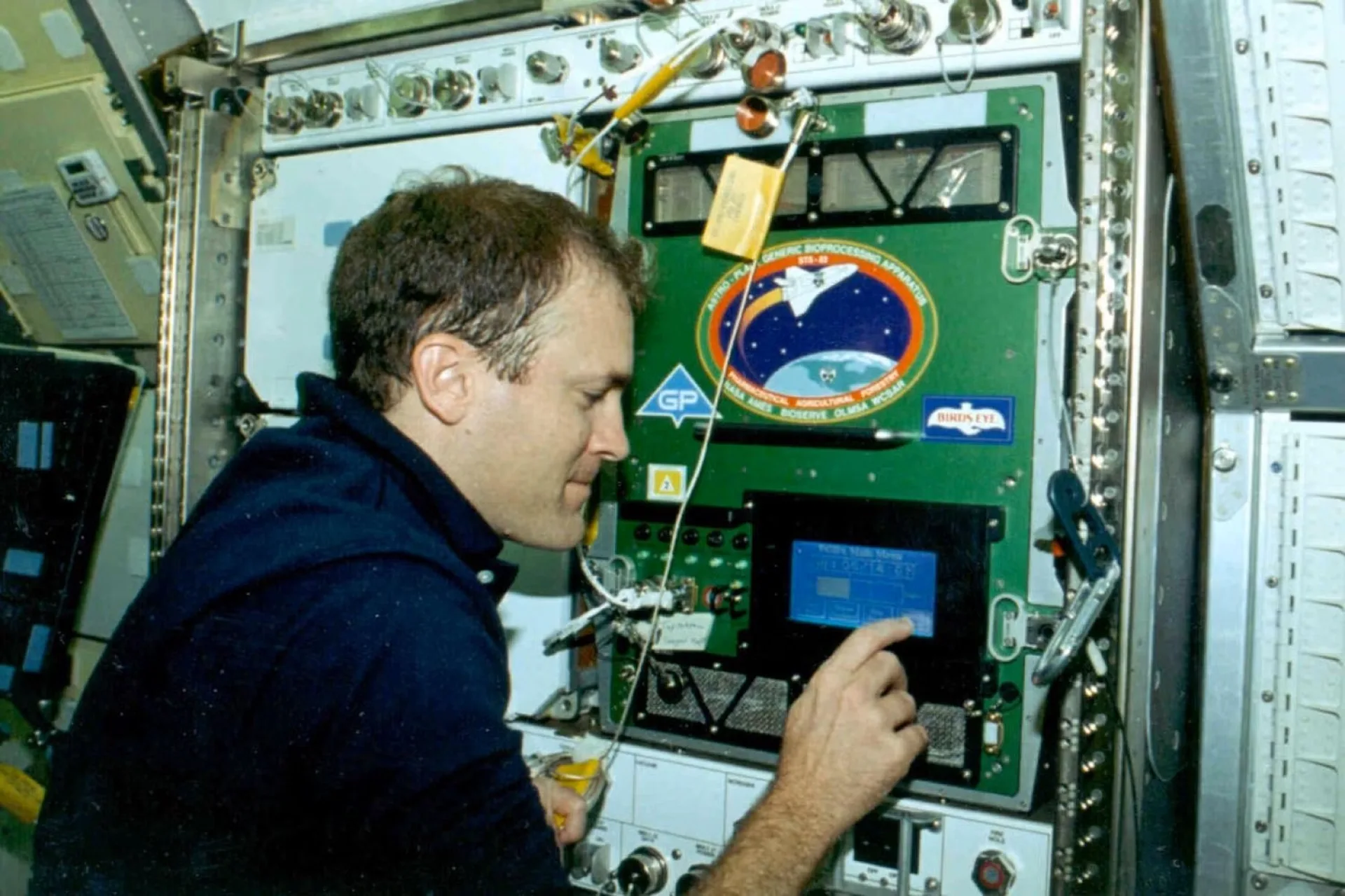
Fun fact: Also onboard STS-77 for the first time was the Plant Generic Bioprocessing Apparatus (PGBA); a plant growth chamber developed by American company BioServe to investigate plant growth in microgravity.

The experiment contained a controlled Plant Growth Chamber (PGC), supported by:

  • Lighting system to provide energy for plant photosynthesis
  • Carbon dioxide control system to keep CO2 low
  • Humidity control system to remove excess transpired water and recycle it back to the plant roots
  • Ethylene removal system to limit accumulation of toxic plant-growth byproducts
  • Dual video cameras to capture plant growth over time
  • Thermal control system to maintain the PGC at a constant temperature
  • Computer system to autonomously control PGBA and communicate to the Space Shuttle
  • LCD touch screen for crew interface

BioServe Space Technologies is a Center within the Ann and HJ Smead Aerospace Engineering Sciences department at the University of Colorado Boulder and is still in operation today. 

Image: Canadian Space Agency astronaut Marc Garneau conducting a PGBA experiment onboard STS-77. (University of Colorado Boulder)

Looking to the Future

The ARC Centre of Excellence in Plants for Space is building on Australia's rich space history to advance plant research in space and on Earth. 

Want to learn more? 

Read on to discover Our Missions, or check out our latest Annual Report.