Space seeds helping Aussie students reach for the stars
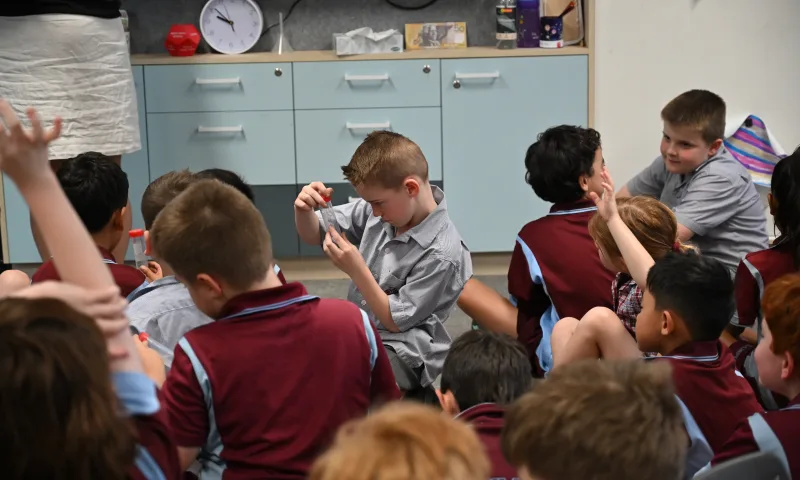
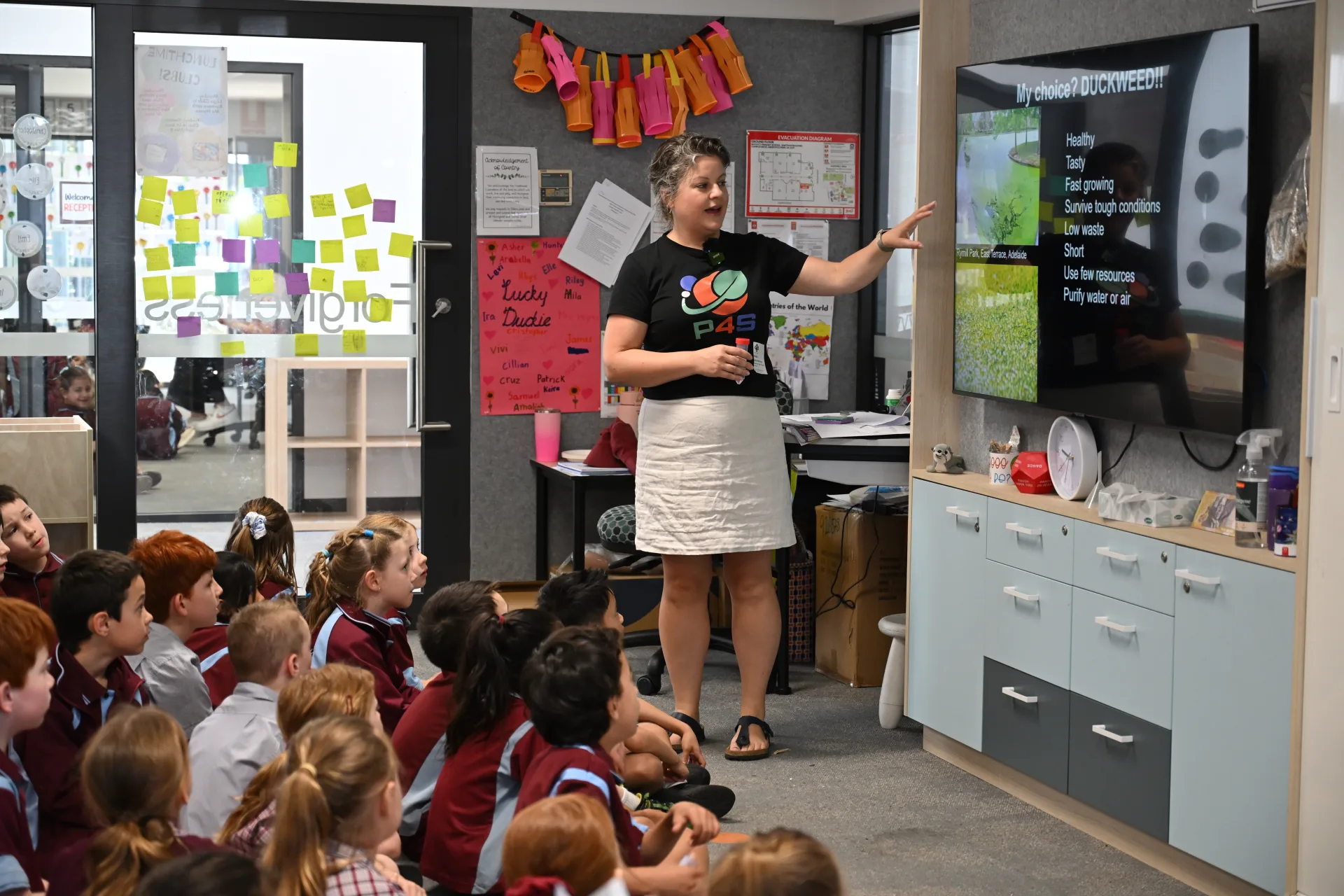
Yesterday, Adelaide University P4S node lead Professor Jenny Mortimer visited School of the Nativity in Aberfoyle Park to prepare students for a very special mission...
Year 1 and 2 classes from the South Australian school are among the estimated 100,000 students participating in Katherine Bennell-Pegg’s Mission Sprouts program, an ambitious new national STEM outreach initiative.
Led by the Australian Space Agency and supported by Swinburne University of Technology, the National Australia Day Council, and the ARC Centre of Excellence in Plants for Space (P4S), Mission Sprouts will engage school students in a nationwide citizen science experiment featuring real space-flown seed samples.
Driving curiosity through space
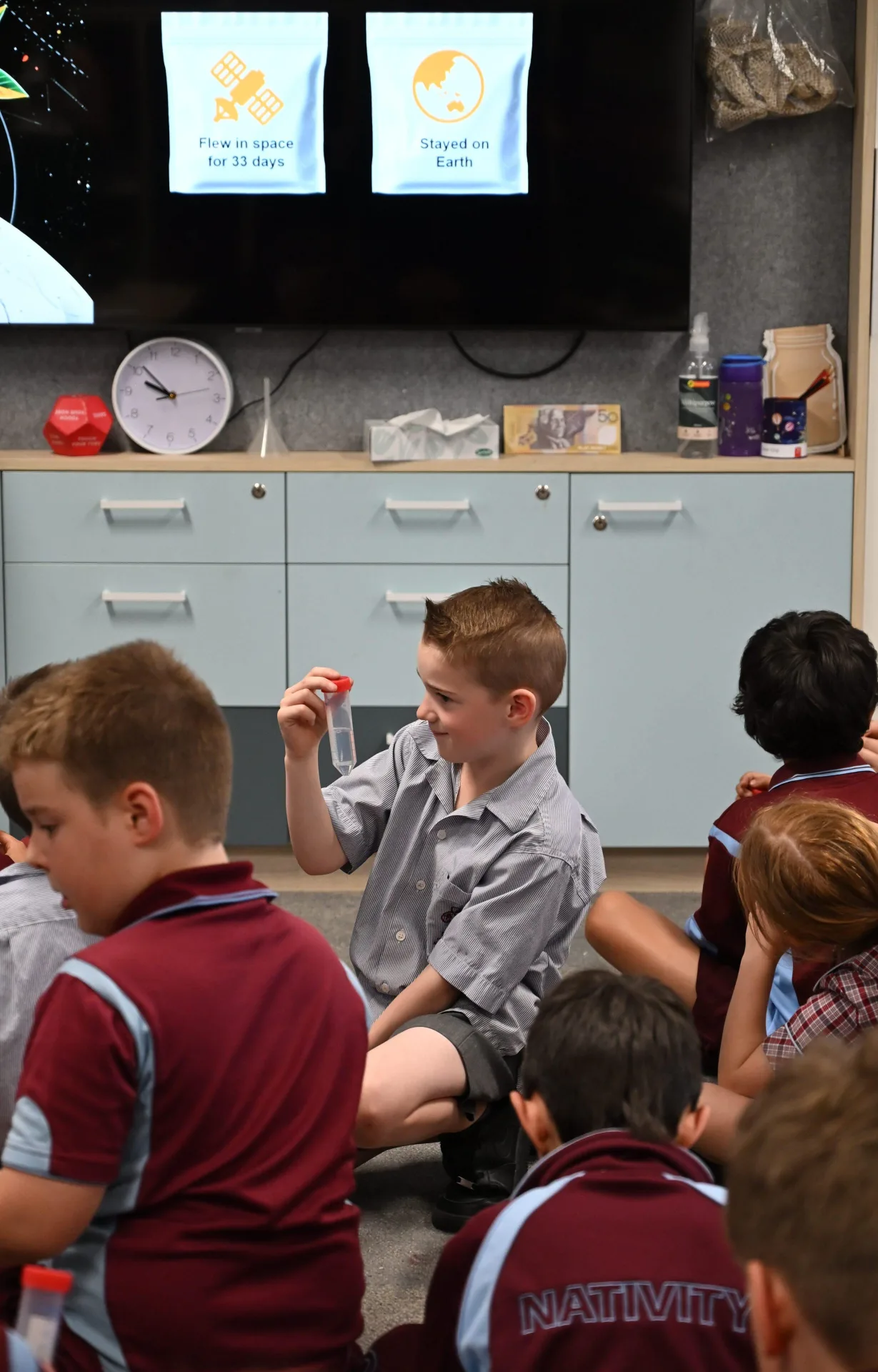
As part of the program, more than 1400 schools around Australia (around 1 in 7) will receive a free experiment kit with two packs of white clover seeds. One pack contains standard, Earth-bound seeds; the other contains seeds that spent 33 days in Earth's orbit onboard the International Space Station.
Students as young as six years old will have the opportunity to get their hands on a piece of real Australian science, with the goal of inspiring more Aussie kids to engage with Science, Technology, Engineering and Maths (STEM).
School of the Nativity Teacher Sian Halliday-Wynes said students are excited to contribute to the Mission Sprouts program.
“Our Year 1 and 2 students were thrilled to welcome a scientist from Plants for Space," Halliday-Wynes said. "The project and its possibilities will truly capture their imaginations."
Space Research, for Earth
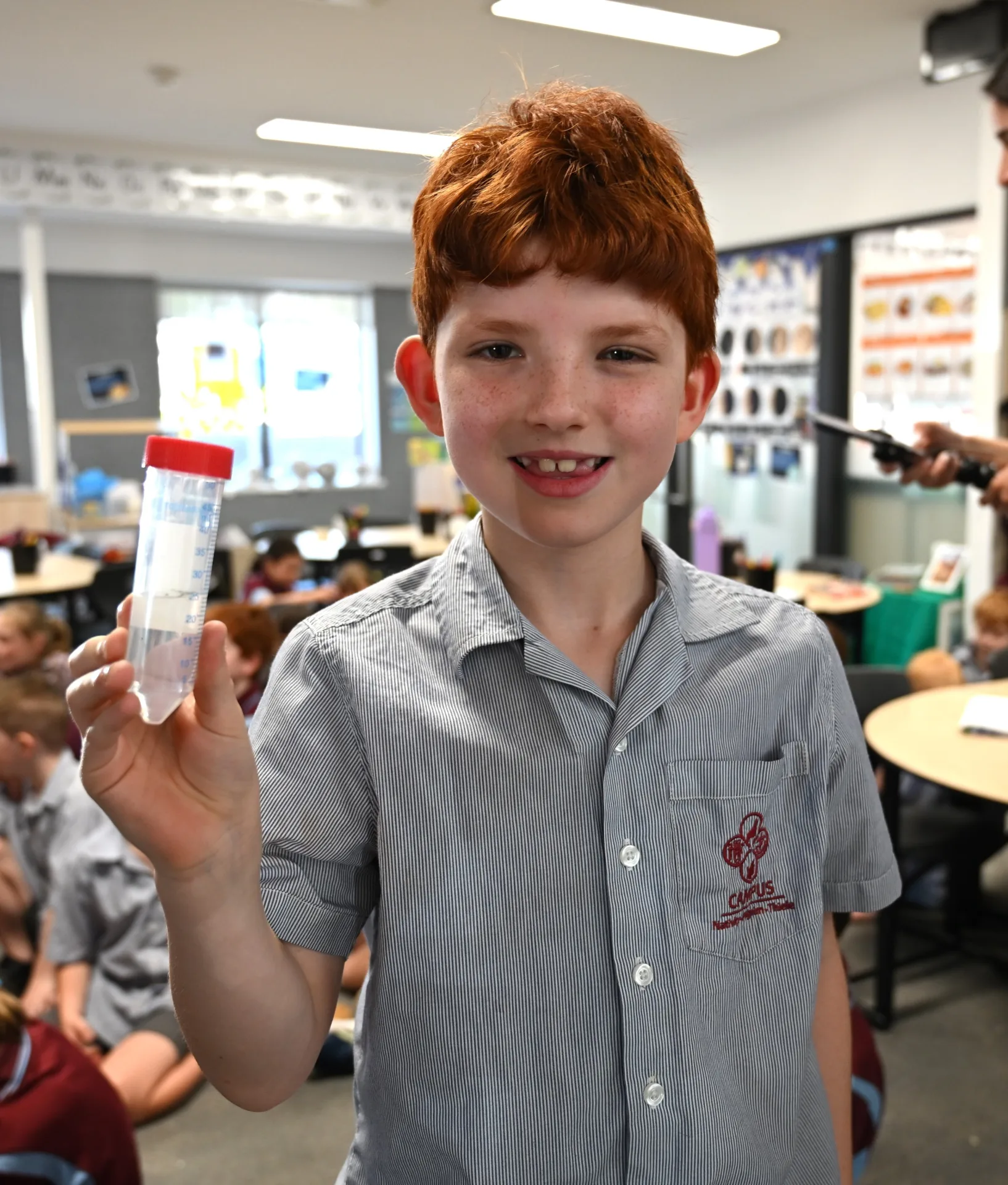
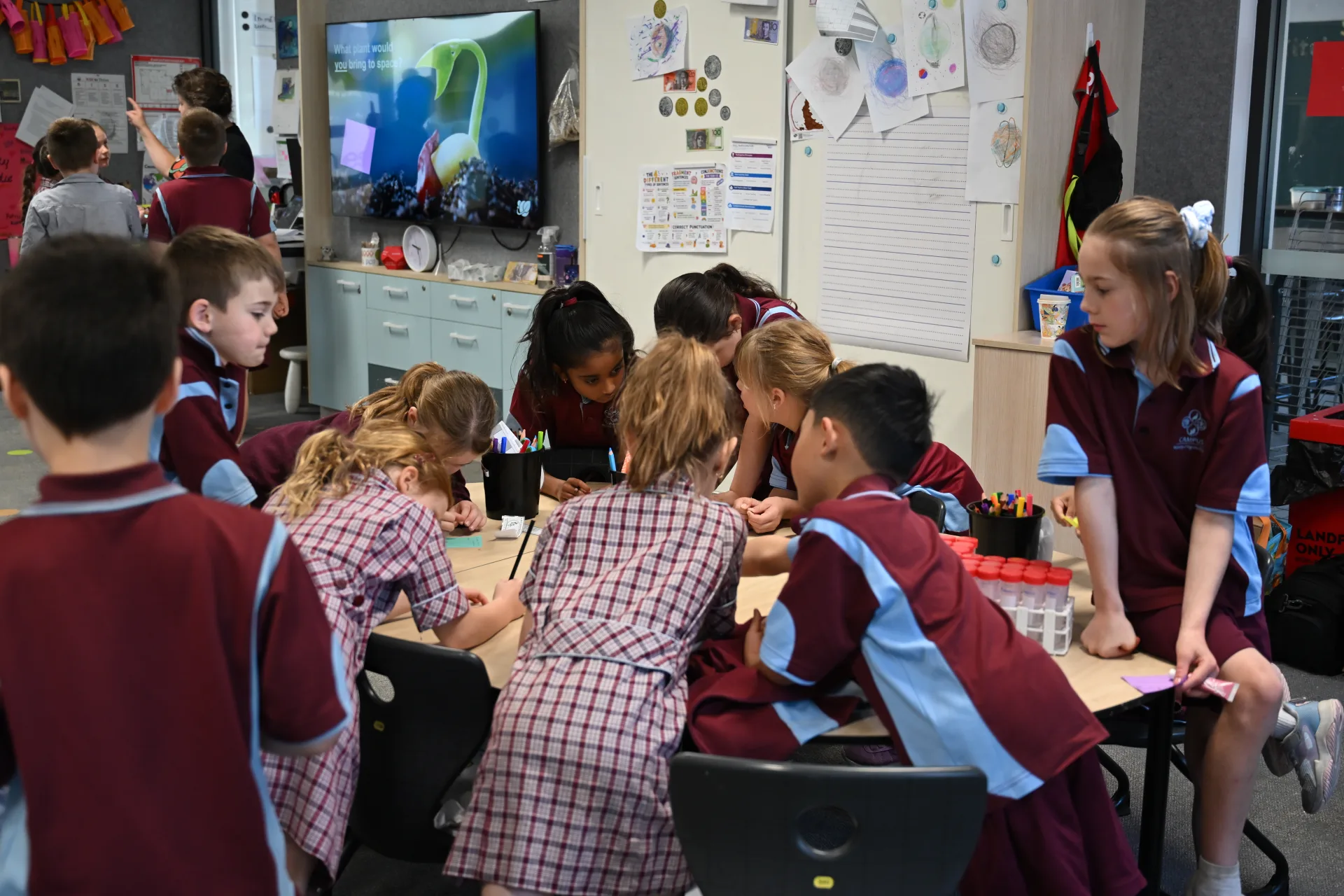
Professor Jenny Mortimer shared with students how their experiment will work, and why the knowledge it will create is so important.
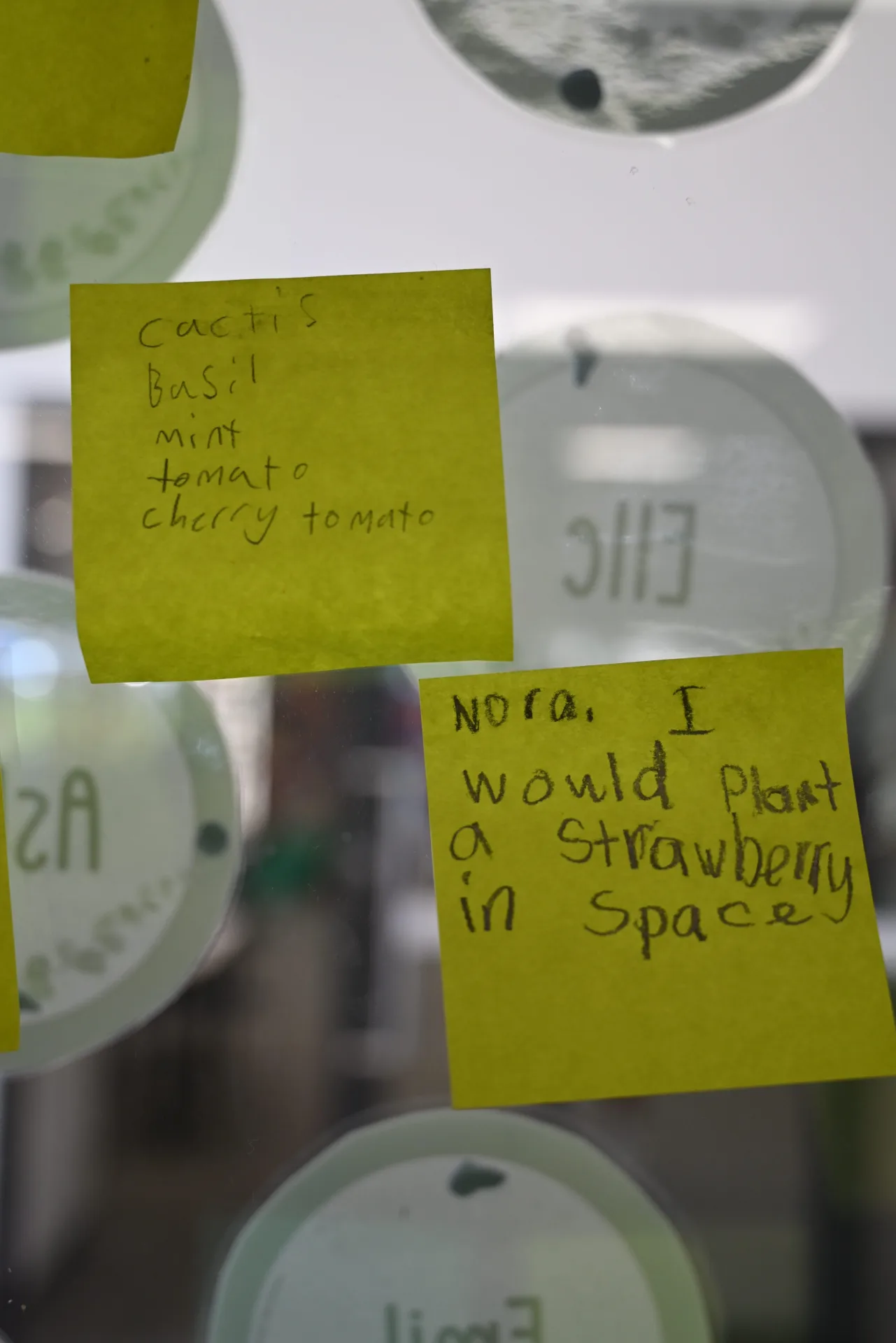
During the session, students discussed which plants would be the most useful for off-Earth habitation; this sparked many questions about how astronauts eat in space, what lunar regolith is made of, and how plants respond to low gravity.
The classes also investigated samples of duckweed – a potential future space crop, and a particular focus of Mortimer’s research.
Though some of her duckweed experiments have taken place hundreds of kilometres above the Earth's surface, the potential impacts of Jenny's work land much closer to home.
“Much of the research we do at Plants for Space is about finding ways of growing plants in closed environments in remote and harsh environments," said Professor Mortimer, a professor of plant synthetic biology.
Whether supporting astronauts who are living or working on the moon, or Australians living in remote regions, many of the challenges are the same.”
Supporting educators for a stronger workforce
In addition to connecting students with real space professionals throughout the program, Plants for Space is contributing a suite of free, curriculum-aligned resources to teachers across the country.
The resources build upon learning materials developed by Swinburne University's LaunchLabz, and will support educators as they implement the kits in school.
Through P4S’ mission to develop a future-ready workforce, the centre has trained over 3000 teachers to date and reached over 175,000 school aged children through authentic, science-informed public education and engagement activities.
Working with P4S partners such as the Australian Space Agency will enable programs like these to reach even more students and educators.
“Mission Sprouts will bring school students from around Australia into this project as genuine collaborators, and, more importantly, it will make careers in the space industry much more visible to the next generation of researchers", says Professor Mortimer.